📍2026年8月訪問
アイヌの人々は、主に北海道や千島列島、樺太などの先住民族。独自の言語「アイヌ語」を持ち、自然界のあらゆるものに「カムイ(神)」が宿ると捉える精神文化や、自然と共生する独自の暮らしを育んできた。
しかし、近代以降の歴史的な社会の変化とともに、アイヌ語や伝統工芸の衰退、伝承者の減少、社会の理解不足といった課題が続いていた。そうした中、2007年の国連による「先住民族の権利に関する宣言」や2008年の国会決議を経て、アイヌ民族は先住民族として正式に認識される。これを受け、アイヌ文化の復興拠点として、また差別のない多様な共生社会を目指す象徴として整備が進められることに。
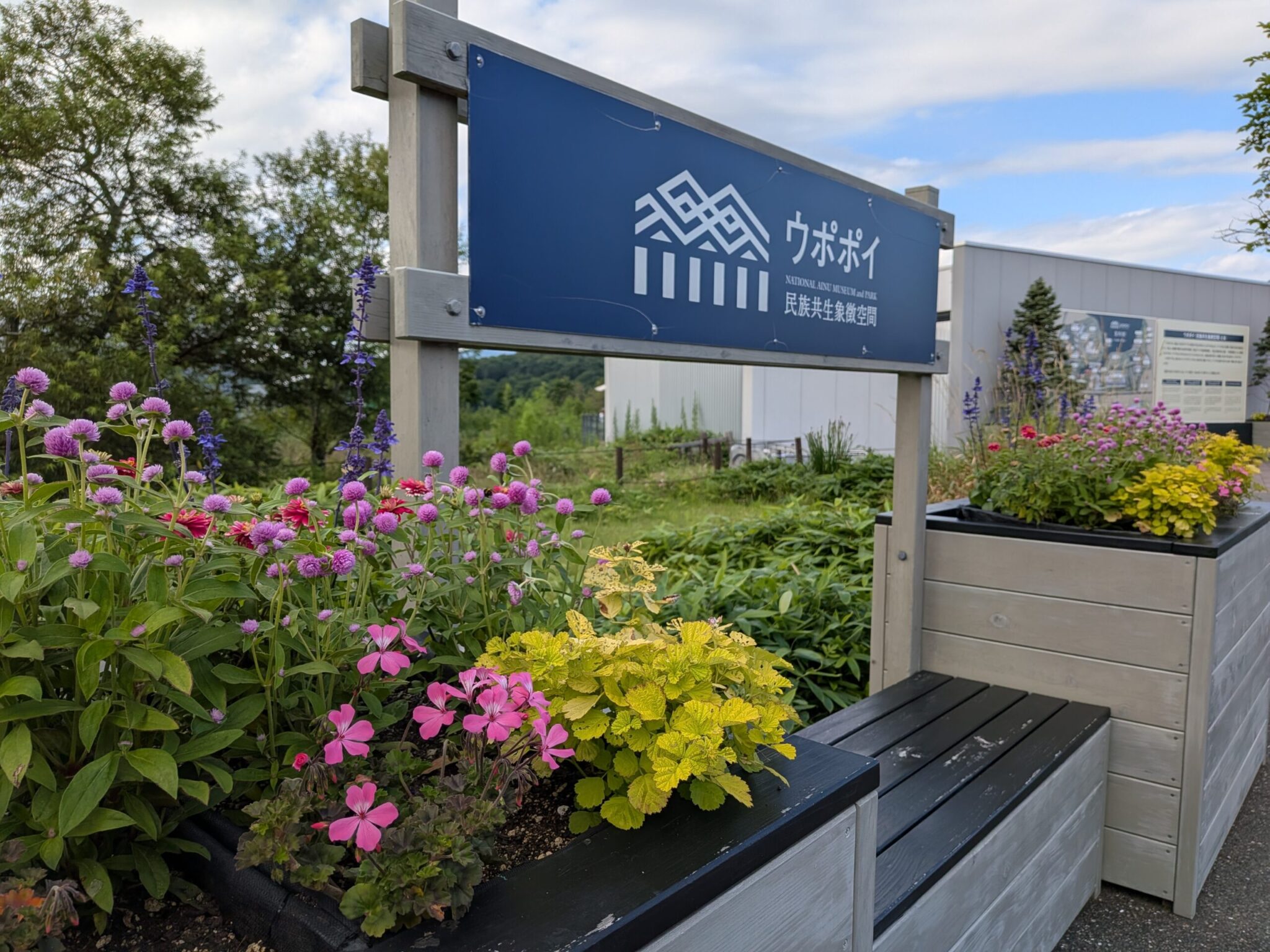
そうして2020年7月に一般公開されたのが、北海道白老町(しらおいちょう)にある「ウポポイ(民族共生象徴空間)」。「ウポポイ」はアイヌ語で「(大勢で)歌うこと」を意味し、園内にはアイヌの歴史や文化を学び伝える国立アイヌ民族博物館などがある。
アイヌの「カムイ」とは?八百万の神との違いと世界観
日本には古来から「八百万の神」という考え方があるけれど、アイヌの人々の信仰における「カムイ」の世界観は似ているようで違う。
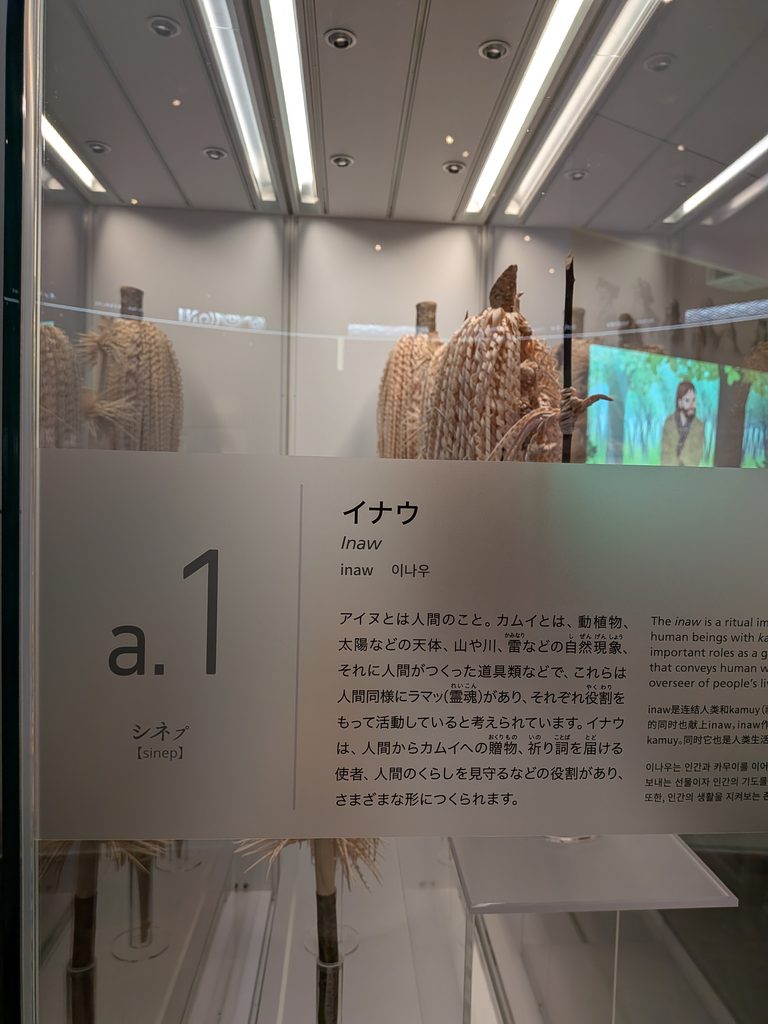
「アイヌ」は人間、「カムイ」は動植物、太陽などの天体、山や川、雷などの自然現象、道具類などで、これらすべてにラマッ(霊魂)があり、それぞれが役割をもって活動していると考えられている。
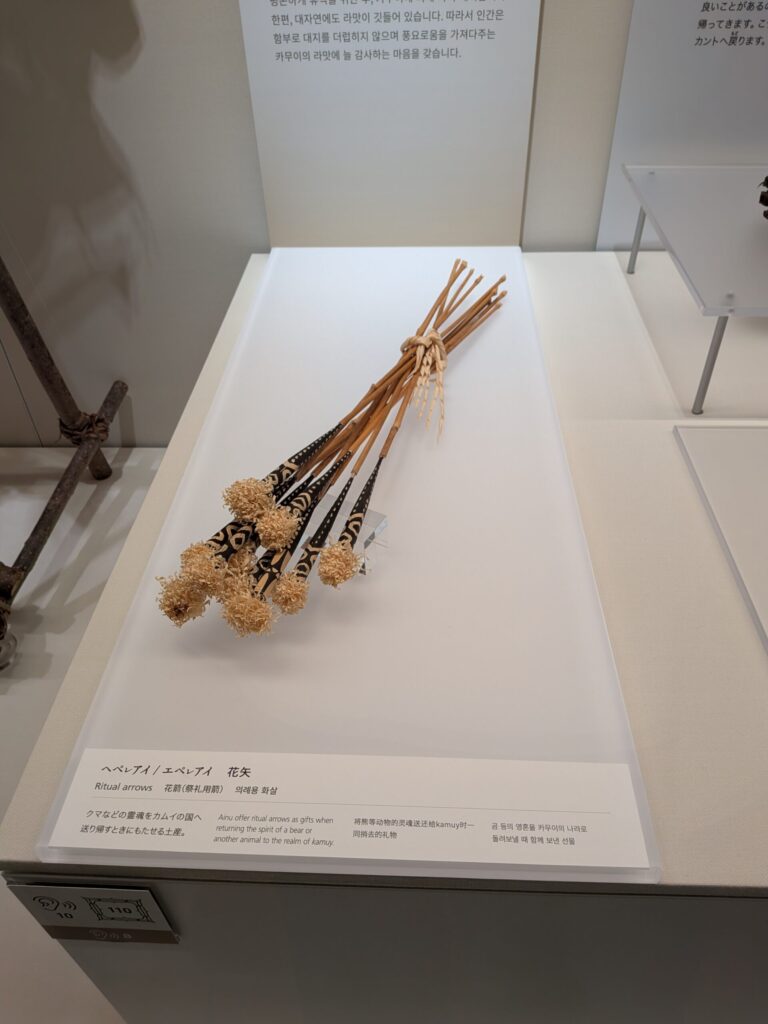
カムイ(神)はカムイの世界にいるときは人間と同じ姿で暮らし、人前に現れるときには動植物や自然現象などさまざまな姿となって現れる。クマも毛皮や肉などをアイヌの人たちに届けるため姿を変えて現れたもの。だからアイヌの人たちにとってクマの”霊”を住んでいた世界へ送り返すことはとても大切な儀礼。

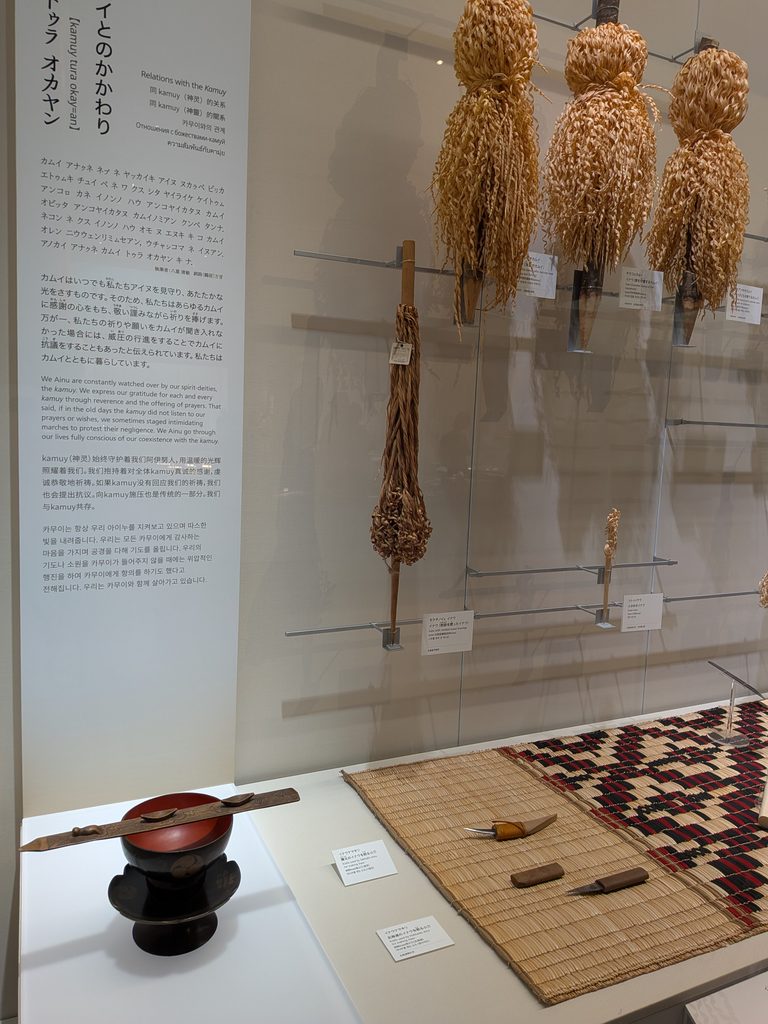
イオマンテ(熊送り)に込められた感謝の精神
カムイは人間の世界で受けたもてなしや、人間たちとの出来事をカムイの世界へ持ち帰り、ほかのカムイたちに伝える。人間から大切に扱われ、祭られることで、そのカムイはより尊い存在になっていくと考えられている。
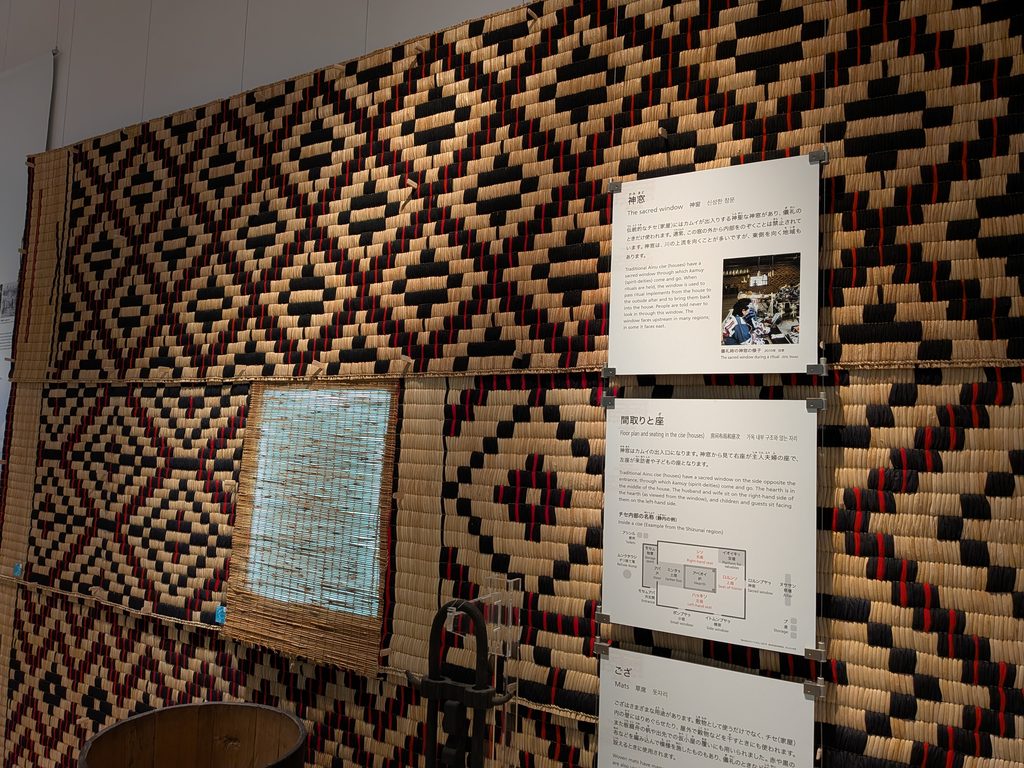
和人による同化政策と歴史的背景
アイヌの人々は、生きていくために必要なものだけを採り、そのいのちに感謝しながら暮らしてきた。そんな人たちが和人から受けた不当な扱いや差別。
江戸時代には松前藩が交易の独占権を握り、和人商人が無理な取引や過度な取り立てを行ったため、アイヌ側は経済的に苦しめられ強い不平等と従属関係を強要されていた。明治以降、日本政府は開拓使を設置し、アイヌの人々を平民(旧土人)へ編入。伝統的な習俗の禁止や土地の官有地化を進め、1899年の「北海道旧土人保護法」によって同化政策を強化している。
私は、これまで他国の少数民族に対する同化政策に疑問を感じていたが、かつて日本も同様の政策を行っていたこと、過去の万国博覧会において、「進化の過程にある人々」として近代西洋社会の観客に提示する「人間展示」が行われていたことを知ったときはショックだった。
現在は、かつての同化政策から転換し、アイヌ民族の固有の文化や権利を尊重・復元していく取り組みが進められており、この「ウポポイ(民族共生象徴空間)」は、現代の私たちがアイヌの歴史や文化を学べる貴重な施設。日本にこのような歴史があったことを知れてよかったし、本当に勉強になった。
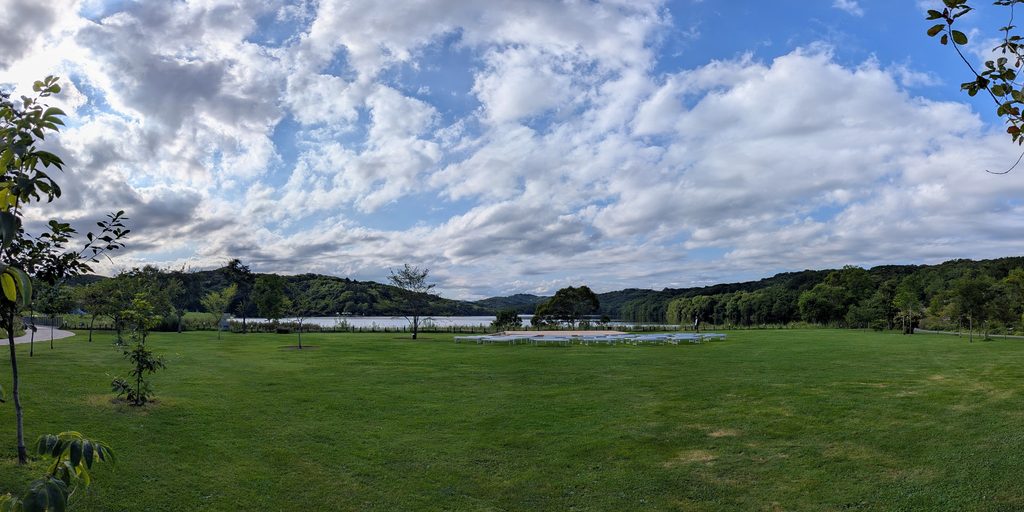
ウポポイ(民族共生象徴空間)の基本情報・アクセス
- 施設名: ウポポイ(民族共生象徴空間)
- 所在地: 北海道白老郡白老町若草町2丁目3
- 夏季(4月1日〜10月31日): 9:00~18:00
- 冬季(11月1日〜3月31日): 9:00~17:00
- 最終入園: 閉園の1時間前まで(博物館への入館は閉園30分前まで)
- 休園日:
- 月曜日(祝日・休日の場合は翌平日)
- 年末年始(12月28日〜1月4日)
- 特別メンテナンス期間(2月27日〜3月8日)
- ※5月・6月・7月・8月など一部の月曜日は特別開園日あり
- 1日券(一般)
- 大人: 1,200円(WEB事前購入で1,000円)
- 高校生: 600円(WEB事前購入で400円)
- 中学生以下: 無料
- 14時入場券(14:00以降の入場)
- 大人: 600円
- 高校生: 300円
- 中学生以下: 無料
- その他
- 団体割引(10名以上)あり
- 障害者手帳をお持ちの方と介護者1名は無料
- 年間パスポート(大人:2,000円 / 高校生:1,000円)あり
※札幌から車で約1時間、新千歳空港から約40分
あわせて読みたい:北海道ドライブのおすすめスポットはこちら